

 Send Email
 whatsapp


How Medical Curtains Improve Privacy and Hygiene in Healthcare Settings
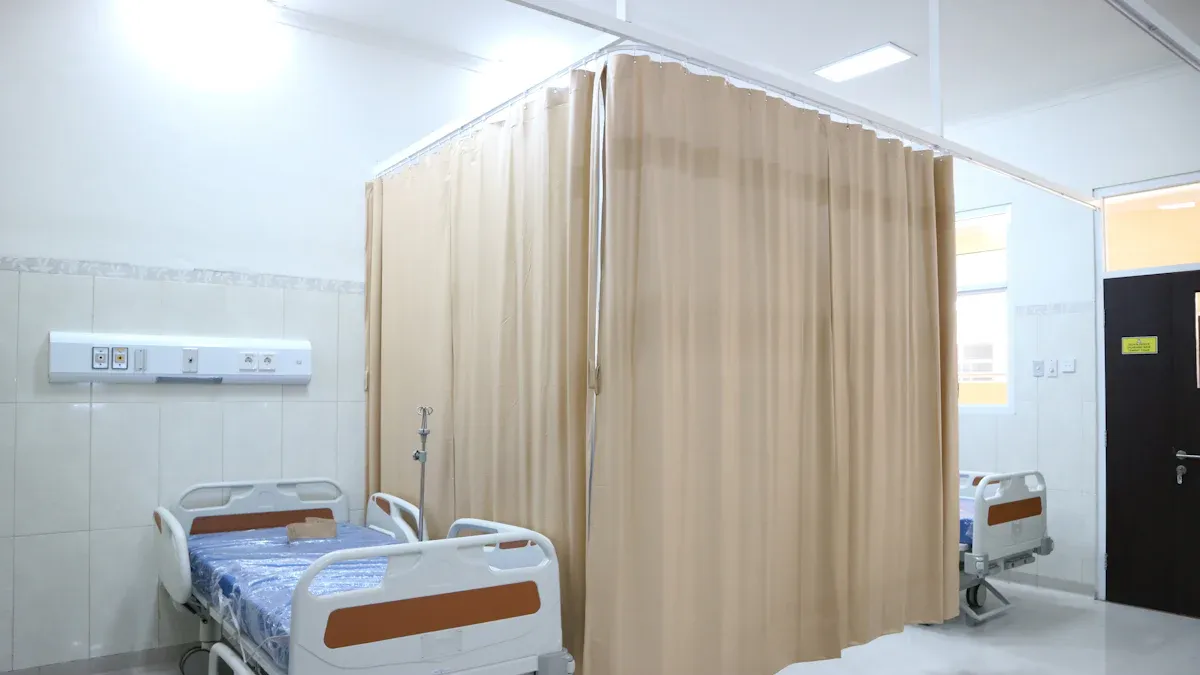
hospital curtains establish crucial personal space for patients. Approximately one-fourth of patients express privacy concerns in healthcare settings, underscoring the importance of a hospital curtain. These barriers also critically prevent infection spread. Healthcare-associated infections cost US hospitals between US$28 billion and US$45 billion annually, and 20-40% link to contaminated surfaces, making surgical curtains vital. A medical clinic curtain directly supports patient dignity and well-being, acting as a key curtain in hospital environments. Hospital cubicle curtains are thus indispensable, and every medical curtain plays a role in patient care.
Key Takeaways
- Medical curtains give patients private space. They help patients feel safe and comfortable. This also helps them talk openly with doctors.
- Medical Curtains stop germs from spreading. Some curtains have special materials that kill germs.Disposable curtains also help keep things clean for each patient.
- Hospitals must clean curtains often. This keeps patients and staff safe. Clean curtains make the hospital a better place for everyone.
Enhancing Patient Privacy and Dignity with Hospital Curtains
Creating Essential Personal Space
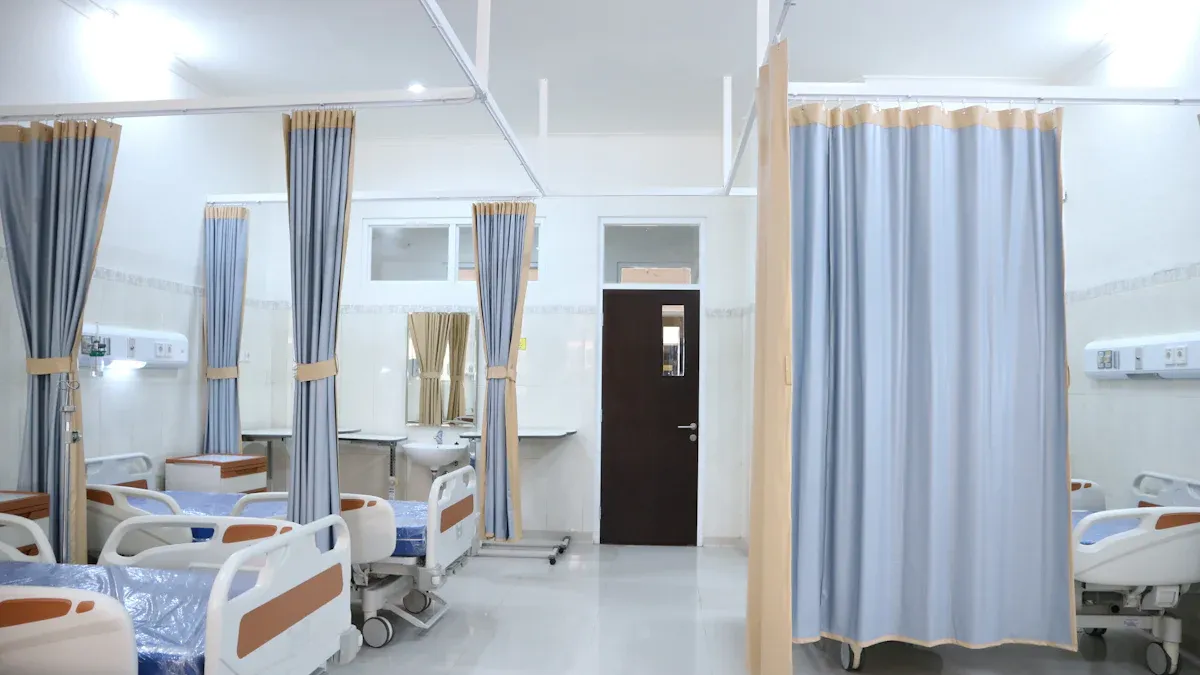
Hospital curtains play a vital role in establishing personal boundaries for patients. They define individual areas within shared rooms or open spaces. Hospital curtain tracks and shades effectively divide these areas, offering visual privacy and a psychological sense of comfort. These systems allow healthcare facilities to easily create private spaces and adapt to different room layouts. For example, they can quickly divide a large emergency room into individual patient cubicles. Medical fabrics hang from ceiling tracks, creating a distinct space. A mesh section at the top allows fire sprinklers to function. A gap at the bottom prevents soiling during cleaning.
However, patients' perceptions of privacy with curtains can vary. Studies show that patients in curtained areas sometimes feel others can overhear them or view them. One study compared patient privacy perceptions in curtained cubicles versus walled cubicles:
| Perception Aspect | Pre-Renovation (Curtained Cubicles) | Post-Renovation (Walled Cubicles) |
|---|---|---|
| Adequate Privacy | 21% (n=16) | 89% (n=73) |
| Overheard conversation about self | 49% (n=37) | 11% (n=9) |
| Overheard conversation about another patient | 49% (n=37) | 9.8% (n=8) |
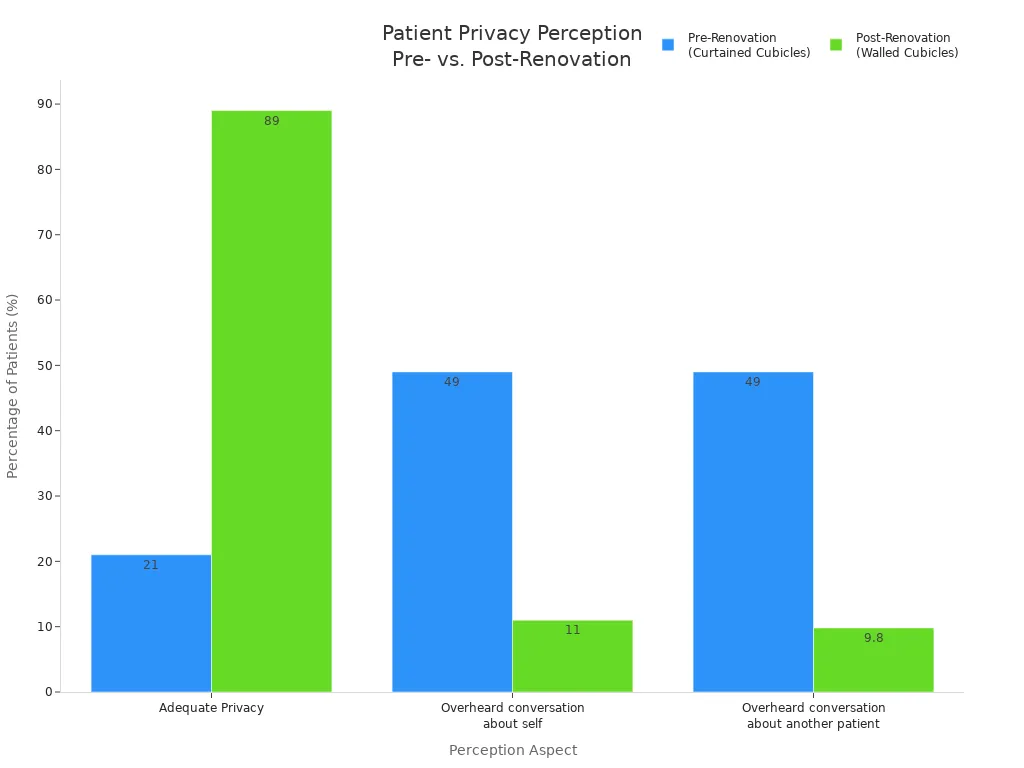
Patients behind curtains more frequently believed they could overhear others and that others could hear them. They also felt others could view them, hear personal information, and view personal parts of their bodies. This indicates a hospital curtain can contribute to a heightened perception of vulnerability and a lack of privacy. Despite these perceptions, curtains remain essential for providing any level of personal space in environments where solid walls are not feasible.
Supporting Confidential Patient-Caregiver Interactions
Medical curtains facilitate confidential communication between patients and healthcare providers. They act as a barrier between patients, medical staff, and visitors. This establishes a private space for patients to discuss personal medical information with professionals. Patients do not feel exposed or overheard. In shared hospital rooms, drawing privacy curtains around a patient's bed enables one-on-one interactions with doctors and nurses. This practice fosters trust and ensures sensitive medical discussions remain confidential.
Private interactions strengthen the patient-caregiver relationship. Patients feel they can rely on their caregiver, especially when they cannot perform daily tasks independently. This encourages open communication, allowing patients to express physical and emotional needs without hesitation. A trusting relationship enhances well-being for both parties. It fosters effective communication and allows patients to articulate needs more freely. This leads to improved comfort and quality of life.
Reducing Patient Stress and Anxiety
Perceived privacy in clinical settings helps alleviate patient fears. It reduces concerns regarding the inadvertent disclosure of medical information and exposure. By providing a protective and private treatment environment, patients pursue necessary care without these concerns. A supportive design approach, which includes fostering privacy, calms patients and reduces stress. It strengthens patients' coping resources. Research confirms that environments incorporating elements like privacy lead to significantly less stress for patients.
Hospital privacy curtains improve patient comfort and care. They create a sense of security and dignity, directly relating to personal space. They act as a psychological barrier, reducing anxiety and stress. Curtains minimize visual distractions and provide a quieter, enclosed space. This allows patients to have a personal space within shared rooms. It helps maintain dignity during treatments, changing clothes, or medical procedures. This positively impacts patient satisfaction concerning personal space.
Bolstering Hygiene and Infection Control with Medical Curtains
The Role of Antimicrobial Materials
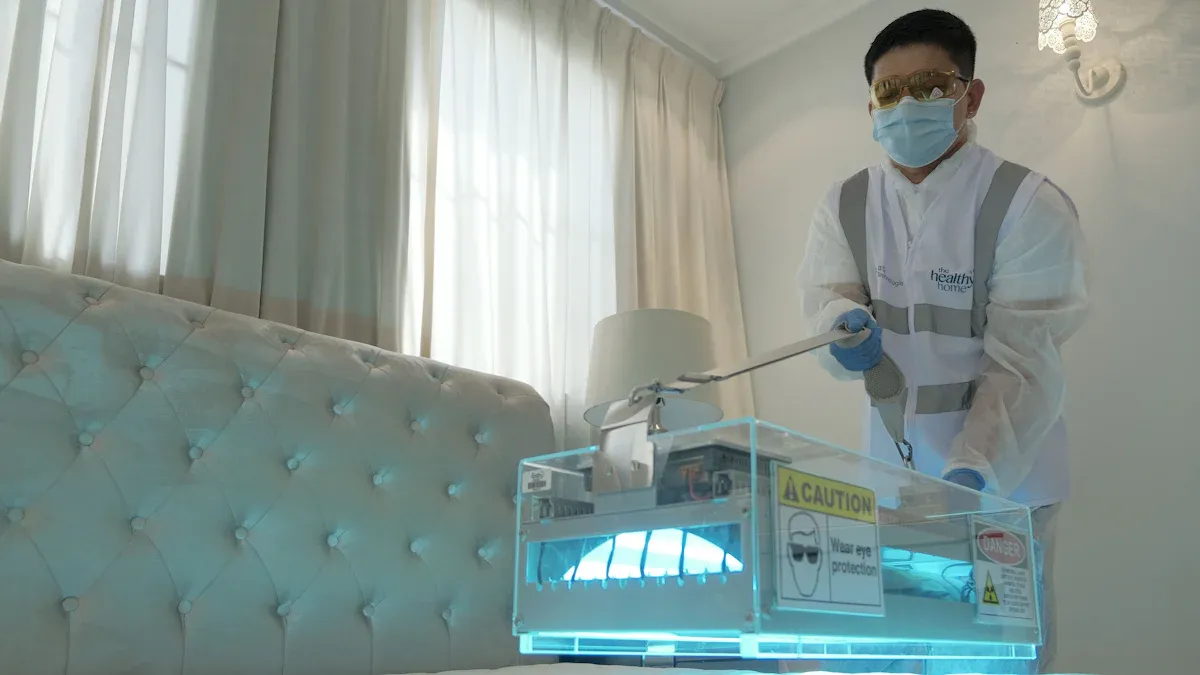
Medical curtains play a crucial role in infection control strategies within healthcare facilities. Specialized antimicrobial curtains actively inhibit the growth and spread of microbes. These curtains incorporate silver or other antimicrobial agents into their fabric. These agents continuously work to kill or inhibit the growth of bacteria, fungi, and other pathogens. Studies demonstrate that antimicrobial curtains significantly reduce microbial contamination compared to standard curtains. This contributes to a more hygienic environment.
Manufacturers embed or coat medical curtains with antimicrobial agents. These include quaternary ammonium chlorides (QACs), silver, or polysiloxane. These agents enhance infection control. Silver ion antimicrobial finishing agents are widely utilized in treating hospital curtains. Manufacturers incorporate these agents into the fabric during production or apply them as a post-treatment. This creates a protective layer on the curtain surface. Laboratory tests confirm that QAC-embedded polypropylene curtains achieve up to a 99.9% reduction in bacteria, viruses, and fungi. Fabrics coated with polycationic polymers or quaternary ammonium compounds also show rapid and significant reductions in bacteria and viruses. For example, Sure-Chek® brand medical fabrics include a proprietary antimicrobial additive. This controlled release feature allows the antimicrobial agent to migrate to the fabric surface for the product's life. It helps protect the fabric from microbial attack and reduces undesirable organic odors.
However, the efficacy of antimicrobial curtains requires careful consideration. A randomized controlled trial indicated that standard curtains (SC) had a 38% likelihood of remaining uncontaminated. Antimicrobial curtains (BSC) showed a 37% likelihood. Antimicrobial curtains pre-treated with hypochlorite spray (BSC-pre) had a 60% likelihood, but this effect was transient. Time to contamination analysis showed no statistically significant difference between these groups. While a decrease in average colony count was noted for BSC curtains compared to controls, this difference was not statistically significant. The study concluded that antimicrobial curtains did not significantly reduce pathogenic contamination compared to control curtains. However, they might contribute to reducing environmental contamination. Further long-term studies are necessary to determine their full impact.
Despite these findings, antimicrobial curtains offer durable, long-lasting protection. Harsh cleaning chemicals do not diminish their antimicrobial properties. They also have an extended functional lifetime. For instance, antimicrobial curtains (CEC) had a median time to first contamination of 14 days, compared to 2 days for standard curtains.
Advantages of Disposable Hospital Curtains
Disposable hospital curtains are single-use privacy screens. Staff discards them after each patient visit or when soiled. This practice prevents the accumulation of bacteria and pathogens. It ensures a fresh, clean barrier for every patient. This significantly reduces the chances of cross-contamination. Unlike traditional curtains that can harbor infectious germs between washes, disposable curtains eliminate the risk of reusing contaminated materials. Many disposable curtains also feature antimicrobial properties. These properties further prevent the growth of harmful microorganisms. This provides an added layer of protection against infection spread.
| Feature | Disposable Curtains | Reusable Curtains |
|---|---|---|
| Replacement/Cleaning Frequency | Monthly or when soiled | Every six months or when visibly soiled |
| Impact on Infection Control | Minimizes risk of hospital-acquired infections (HAIs) due to high turnover | Longer cleaning cycle may allow germ accumulation between cleanings if not diligently managed |
Disposable drapes offer several advantages over reusable options:
- Sterility: They are individually packaged, which reduces infection risk. Reusable drapes face challenges in maintaining consistent sterility.
- Convenience: They eliminate the need for washing, sterilizing, and storing. Reusable drapes require labor-intensive cleaning and sterilization.
- Cost-Effective: They often lead to lower long-term costs due to reduced labor and maintenance. Reusable drapes incur higher labor and resource costs for cleaning and sterilization.
- Efficiency: They are single-use, which prevents cross-contamination. Reusable drapes require storage space for washing and sterilization.
Hospitals have seen positive results from adopting disposable drapes:
- St. Mary’s Hospital: Implemented disposable drapes in surgical suites, leading to a significant reduction in surgical site infections.
- City Medical Center: Adopted disposable drapes across departments, streamlining operations, increasing efficiency, and improving patient throughput by minimizing cleaning and sterilization time.
- Community Clinic: Found disposable drapes to be a cost-effective solution, eliminating laundering costs and allowing for more efficient resource allocation.
However, disposable drapes also raise environmental concerns:
| Concerns Regarding Environmental Impact |
|---|
| Disposable drapes contribute to waste. |
| Material composition can be problematic. |
| Proper disposal practices are needed to mitigate environmental impact. |
| Recycling initiatives are crucial. |
| Advancements in materials are needed to minimize environmental impact. |
Healthcare facilities can address these concerns through various initiatives:
- Recycling Programs: Establish dedicated recycling programs for drapes made from recyclable materials. Collaborate with waste management services for proper collection and segregation.
- Biodegradable Materials: Explore the use of biodegradable materials that break down naturally, reducing long-term environmental impact.
- Waste-to-Energy Conversion: Investigate technologies that convert medical waste, including drapes, into energy, minimizing landfill contributions.
Effective Cleaning and Maintenance Protocols
Dirty medical curtains present several risks to patients, staff, and visitors.
Dirty hospital curtains present several risks to patients, staff, and visitors. Let’s examine some of the primary dangers posed by unclean curtains:
Cross-Contamination Between Patients
Spread of Healthcare-Associated Infections (HAIs)
Impact on Patient Comfort and Confidence
To ensure medical curtains remain hygienic and contribute to a safe healthcare environment, facilities must follow best practices for cleaning and maintenance.
The recommended cleaning frequencies for reusable medical curtains vary by healthcare setting:
- Standard Patient Rooms and General Wards: Every one to three months.
- Intensive Care Units (ICUs) and High-Risk Areas: Every two to four weeks or immediately after patient discharge.
- Emergency Rooms (ERs): Every two to four weeks or after high-risk exposure.
- Operating Rooms and Isolation Units: After each surgical procedure or patient discharge.
- Maternity and Pediatric Wards: Every one to two months (more frequently in high-risk cases).
Hospitals must develop and implement proper cleaning and disinfecting procedures. These procedures depend on the curtain material and usage frequency. Manufacturer recommendations and infection control protocols from organizations like the Centers for Disease Control and Prevention (CDC) should be followed. A general recommendation for patient privacy screens is weekly or bi-weekly cleaning. High-traffic areas or rooms requiring frequent disinfection may need more frequent cleaning. Always adhere to manufacturer's cleaning recommendations. Curtains should be changed and bagged for isolation cases or when visibly stained.
When selecting cleaning services for medical curtains, prioritize those that utilize gentle, non-toxic, and hypoallergenic cleaning products. Harsh chemicals can pose risks to both patients and staff in a healthcare setting. Ensuring the cleaning agents are safe for everyone is a key consideration.
| Cleaning Task | Recommended Agent |
|---|---|
| General Cleaning | |
| Routine Cleaning | Mild soap and water. |
| Hard-to-Clean Spots | |
| Stubborn Stains | Isopropyl alcohol, naphtha, or mineral spirits. |
| Disinfecting Agents | |
| Quaternary Ammonium Compounds | Virex®, Sani-Cloth® AF3, CaviWipes™, Accel® TB, Avert® |
| Phenolics | Lysol® I.C. Quaternary Disinfectant Cleaner, Birex® |
| Accelerated Hydrogen Peroxide | Oxivir® TB, Accel® TB |
| Sodium Hypochlorite | Clorox® Germicidal Wipes, Clorox® Healthcare Bleach Germicidal Wipes |
| Peracetic Acid | Perasafe® |
| Hydrogen Peroxide | Sporox® II |
| Chlorine Dioxide | Clorox® Healthcare Sporekill™ |
| Alcohols | Sani-Cloth® AF3, CaviWipes™ |
| Important Considerations | |
| Dilution | Always follow the manufacturer's recommended dilution ratios for disinfectants. |
| Contact Time | Ensure the recommended contact time for disinfectants is met to ensure efficacy. |
| Rinsing | After using any cleaning or disinfecting agent, rinse the fabric thoroughly with clean water to remove any residue. |
| Drying | Allow the fabric to air dry completely or wipe dry with a clean, soft cloth. |
| Testing | Before applying any new cleaning or disinfecting agent to the entire curtain, test it on an inconspicuous area to ensure it does not cause discoloration or damage. |
| Avoid | Do not use abrasive cleaners, steel wool, or harsh solvents like acetone, MEK, or lacquer thinners, as these can damage the fabric. |
| Professional Advice | Consult with the fabric manufacturer or a professional cleaning service for specific recommendations and guidance on cleaning and disinfecting Sure-Chek® Linen Curtain Fabric. |
Working with a medical-focused laundry provider who is an infection prevention leader is critical. The provider should offer a streamlined solution that improves safety and reduces labor costs. Key considerations when selecting the right curtain program include curtain design and installation. Ongoing management involves laundering and inspection to adhere to the highest infection prevention standards. This meets or exceeds OSHA, CDC, and HLAC standards and complies with The Joint Commission linen laundry requirements. Regular curtain replacements on a set schedule ensure consistent cleanliness. Documentation of curtain changes is important for tracking and compliance. Inventory management by the provider, including spares for isolation cases, helps manage costs and eliminates the need for capital expenditure for new curtains.
Beyond Core Functions: Additional Benefits of Medical Curtains
Contributing to Patient Comfort and Recovery
Medical curtains offer more than just privacy and hygiene; they significantly contribute to patient comfort and recovery. Designers intentionally create these cubicle curtains with patient well-being in mind. Their aesthetic qualities, including various textures, colors, and details, create a welcoming and healing environment. The overall aesthetics and comfort of a patient's room, which these curtains enhance, are crucial for quality care. A comfortable hospital curtain can reduce anxiety and stress, promoting faster recovery. A relaxed atmosphere helps patients feel at ease, preventing physiological reactions. Patient comfort, defined as happiness, relaxation, and satisfaction during medical care, significantly influences well-being and perception of the process. This leads to faster recovery and improved health outcomes. A positive patient-nurse relationship, fostered in part by a private and comfortable setting, can shorten hospital stays and improve care quality.
Versatility Across Diverse Healthcare Environments
Medical curtains provide versatile solutions across various healthcare settings. They improve workflow efficiency and room turnover. Curtains designed for quick installation or disposable use reduce the time needed for room turnover, especially in high-volume areas like emergency departments. Modular or easy-to-detach curtains streamline cleaning and prevent bottlenecks. Modern privacy curtains also contribute to a calming environment. Textile design and color psychology, using soft blues and greens, create a serene atmosphere. This atmosphere links to better patient recovery and satisfaction. Patterned curtains offer visual stimulation for pediatric or geriatric patients. While not full sound barriers, specialized multi-layered or acoustic panel curtains can muffle ambient sounds. This provides a quieter space for patients to rest and ensures greater confidentiality for medical conversations. This strengthens patient trust and aids HIPAA compliance. Compared to permanent room dividers, privacy curtains are an affordable and adaptable solution for various healthcare settings. They fit almost any layout or budget. Investing in high-quality, durable curtains offers a better long-term return. Curtains also meet regulatory and safety standards. They comply with fire resistance, antimicrobial treatments, and ADA accessibility requirements. Choosing compliant products ensures patient and staff well-being. It aligns with guidelines from organizations like OSHA, CDC, and CMS.
Medical curtains are essential for patient privacy and infection control. Their effective design and diligent maintenance directly influence patient safety and comfort. Therefore, careful selection and ongoing management of these curtains remain crucial in contemporary healthcare settings. Thoughtful consideration of these elements enhances overall patient well-being.
FAQ
What is the primary purpose of medical curtains?
Medical curtains primarily provide patient privacy and prevent infection spread. They create essential personal space and support confidential interactions, enhancing patient dignity and well-being.
How do antimicrobial curtains work?
Antimicrobial curtains incorporate agents like silver into their fabric. These agents actively inhibit bacteria, fungi, and other pathogens, reducing microbial contamination and promoting a hygienic environment.
What are the benefits of disposable hospital curtains?
Disposable curtains prevent cross-contamination by ensuring a fresh barrier for each patient. They eliminate laundering needs, streamline operations, and often include antimicrobial properties for added protection.
Hospital curtains establish crucial personal space for patients. Approximately one-fourth of patients express privacy concerns in healthcare settings, underscoring the importance of a hospital curtain. These barriers also critically prevent infection spread. Healthcare-associated infections cost US hospitals between US$28 billion and US$45 billion annually, and 20-40% link to contaminated surfaces, making surgical curtains vital. A medical clinic curtain directly supports patient dignity and well-being, acting as a key curtain in hospital environments. Hospital cubicle curtains are thus indispensable, and every medical curtain plays a role in patient care.
Key Takeaways
- Medical curtains give patients private space. They help patients feel safe and comfortable. This also helps them talk openly with doctors.
- Medical curtains stop germs from spreading. Some curtains have special materials that kill germs. Disposable curtains also help keep things clean for each patient.
- Hospitals must clean curtains often. This keeps patients and staff safe. Clean curtains make the hospital a better place for everyone.
Enhancing Patient Privacy and Dignity with Hospital Curtains
Creating Essential Personal Space
Hospital curtains play a vital role in establishing personal boundaries for patients. They define individual areas within shared rooms or open spaces. Hospital curtain tracks and shades effectively divide these areas, offering visual privacy and a psychological sense of comfort. These systems allow healthcare facilities to easily create private spaces and adapt to different room layouts. For example, they can quickly divide a large emergency room into individual patient cubicles. Medical fabrics hang from ceiling tracks, creating a distinct space. A mesh section at the top allows fire sprinklers to function. A gap at the bottom prevents soiling during cleaning.
However, patients' perceptions of privacy with curtains can vary. Studies show that patients in curtained areas sometimes feel others can overhear them or view them. One study compared patient privacy perceptions in curtained cubicles versus walled cubicles:
| Perception Aspect | Pre-Renovation (Curtained Cubicles) | Post-Renovation (Walled Cubicles) |
|---|---|---|
| Adequate Privacy | 21% (n=16) | 89% (n=73) |
| Overheard conversation about self | 49% (n=37) | 11% (n=9) |
| Overheard conversation about another patient | 49% (n=37) | 9.8% (n=8) |
Patients behind curtains more frequently believed they could overhear others and that others could hear them. They also felt others could view them, hear personal information, and view personal parts of their bodies. This indicates a hospital curtain can contribute to a heightened perception of vulnerability and a lack of privacy. Despite these perceptions, curtains remain essential for providing any level of personal space in environments where solid walls are not feasible.
Supporting Confidential Patient-Caregiver Interactions
Medical curtains facilitate confidential communication between patients and healthcare providers. They act as a barrier between patients, medical staff, and visitors. This establishes a private space for patients to discuss personal medical information with professionals. Patients do not feel exposed or overheard. In shared hospital rooms, drawing privacy curtains around a patient's bed enables one-on-one interactions with doctors and nurses. This practice fosters trust and ensures sensitive medical discussions remain confidential.
Private interactions strengthen the patient-caregiver relationship. Patients feel they can rely on their caregiver, especially when they cannot perform daily tasks independently. This encourages open communication, allowing patients to express physical and emotional needs without hesitation. A trusting relationship enhances well-being for both parties. It fosters effective communication and allows patients to articulate needs more freely. This leads to improved comfort and quality of life.
Reducing Patient Stress and Anxiety
Perceived privacy in clinical settings helps alleviate patient fears. It reduces concerns regarding the inadvertent disclosure of medical information and exposure. By providing a protective and private treatment environment, patients pursue necessary care without these concerns. A supportive design approach, which includes fostering privacy, calms patients and reduces stress. It strengthens patients' coping resources. Research confirms that environments incorporating elements like privacy lead to significantly less stress for patients.
Hospital privacy curtains improve patient comfort and care. They create a sense of security and dignity, directly relating to personal space. They act as a psychological barrier, reducing anxiety and stress. Curtains minimize visual distractions and provide a quieter, enclosed space. This allows patients to have a personal space within shared rooms. It helps maintain dignity during treatments, changing clothes, or medical procedures. This positively impacts patient satisfaction concerning personal space.
Bolstering Hygiene and Infection Control with Medical Curtains
The Role of Antimicrobial Materials
Medical curtains play a crucial role in infection control strategies within healthcare facilities. Specialized antimicrobial curtains actively inhibit the growth and spread of microbes. These curtains incorporate silver or other antimicrobial agents into their fabric. These agents continuously work to kill or inhibit the growth of bacteria, fungi, and other pathogens. Studies demonstrate that antimicrobial curtains significantly reduce microbial contamination compared to standard curtains. This contributes to a more hygienic environment.
Manufacturers embed or coat medical curtains with antimicrobial agents. These include quaternary ammonium chlorides (QACs), silver, or polysiloxane. These agents enhance infection control. Silver ion antimicrobial finishing agents are widely utilized in treating hospital curtains. Manufacturers incorporate these agents into the fabric during production or apply them as a post-treatment. This creates a protective layer on the curtain surface. Laboratory tests confirm that QAC-embedded polypropylene curtains achieve up to a 99.9% reduction in bacteria, viruses, and fungi. Fabrics coated with polycationic polymers or quaternary ammonium compounds also show rapid and significant reductions in bacteria and viruses. For example, Sure-Chek® brand medical fabrics include a proprietary antimicrobial additive. This controlled release feature allows the antimicrobial agent to migrate to the fabric surface for the product's life. It helps protect the fabric from microbial attack and reduces undesirable organic odors.
However, the efficacy of antimicrobial curtains requires careful consideration. A randomized controlled trial indicated that standard curtains (SC) had a 38% likelihood of remaining uncontaminated. Antimicrobial curtains (BSC) showed a 37% likelihood. Antimicrobial curtains pre-treated with hypochlorite spray (BSC-pre) had a 60% likelihood, but this effect was transient. Time to contamination analysis showed no statistically significant difference between these groups. While a decrease in average colony count was noted for BSC curtains compared to controls, this difference was not statistically significant. The study concluded that antimicrobial curtains did not significantly reduce pathogenic contamination compared to control curtains. However, they might contribute to reducing environmental contamination. Further long-term studies are necessary to determine their full impact.
Despite these findings, antimicrobial curtains offer durable, long-lasting protection. Harsh cleaning chemicals do not diminish their antimicrobial properties. They also have an extended functional lifetime. For instance, antimicrobial curtains (CEC) had a median time to first contamination of 14 days, compared to 2 days for standard curtains.
Advantages of Disposable Hospital Curtains
Disposable hospital curtains are single-use privacy screens. Staff discards them after each patient visit or when soiled. This practice prevents the accumulation of bacteria and pathogens. It ensures a fresh, clean barrier for every patient. This significantly reduces the chances of cross-contamination. Unlike traditional curtains that can harbor infectious germs between washes, disposable curtains eliminate the risk of reusing contaminated materials. Many disposable curtains also feature antimicrobial properties. These properties further prevent the growth of harmful microorganisms. This provides an added layer of protection against infection spread.
| Feature | Disposable Curtains | Reusable Curtains |
|---|---|---|
| Replacement/Cleaning Frequency | Monthly or when soiled | Every six months or when visibly soiled |
| Impact on Infection Control | Minimizes risk of hospital-acquired infections (HAIs) due to high turnover | Longer cleaning cycle may allow germ accumulation between cleanings if not diligently managed |
Disposable drapes offer several advantages over reusable options:
- Sterility: They are individually packaged, which reduces infection risk. Reusable drapes face challenges in maintaining consistent sterility.
- Convenience: They eliminate the need for washing, sterilizing, and storing. Reusable drapes require labor-intensive cleaning and sterilization.
- Cost-Effective: They often lead to lower long-term costs due to reduced labor and maintenance. Reusable drapes incur higher labor and resource costs for cleaning and sterilization.
- Efficiency: They are single-use, which prevents cross-contamination. Reusable drapes require storage space for washing and sterilization.
Hospitals have seen positive results from adopting disposable drapes:
- St. Mary’s Hospital: Implemented disposable drapes in surgical suites, leading to a significant reduction in surgical site infections.
- City Medical Center: Adopted disposable drapes across departments, streamlining operations, increasing efficiency, and improving patient throughput by minimizing cleaning and sterilization time.
- Community Clinic: Found disposable drapes to be a cost-effective solution, eliminating laundering costs and allowing for more efficient resource allocation.
However, disposable drapes also raise environmental concerns:
| Concerns Regarding Environmental Impact |
|---|
| Disposable drapes contribute to waste. |
| Material composition can be problematic. |
| Proper disposal practices are needed to mitigate environmental impact. |
| Recycling initiatives are crucial. |
| Advancements in materials are needed to minimize environmental impact. |
Healthcare facilities can address these concerns through various initiatives:
- Recycling Programs: Establish dedicated recycling programs for drapes made from recyclable materials. Collaborate with waste management services for proper collection and segregation.
- Biodegradable Materials: Explore the use of biodegradable materials that break down naturally, reducing long-term environmental impact.
- Waste-to-Energy Conversion: Investigate technologies that convert medical waste, including drapes, into energy, minimizing landfill contributions.
Effective Cleaning and Maintenance Protocols
Dirty medical curtains present several risks to patients, staff, and visitors.
Dirty hospital curtains present several risks to patients, staff, and visitors. Let’s examine some of the primary dangers posed by unclean curtains:
Cross-Contamination Between Patients
Spread of Healthcare-Associated Infections (HAIs)
Impact on Patient Comfort and Confidence
To ensure medical curtains remain hygienic and contribute to a safe healthcare environment, facilities must follow best practices for cleaning and maintenance.
The recommended cleaning frequencies for reusable medical curtains vary by healthcare setting:
- Standard Patient Rooms and General Wards: Every one to three months.
- Intensive Care Units (ICUs) and High-Risk Areas: Every two to four weeks or immediately after patient discharge.
- Emergency Rooms (ERs): Every two to four weeks or after high-risk exposure.
- Operating Rooms and Isolation Units: After each surgical procedure or patient discharge.
- Maternity and Pediatric Wards: Every one to two months (more frequently in high-risk cases).
Hospitals must develop and implement proper cleaning and disinfecting procedures. These procedures depend on the curtain material and usage frequency. Manufacturer recommendations and infection control protocols from organizations like the Centers for Disease Control and Prevention (CDC) should be followed. A general recommendation for patient privacy screens is weekly or bi-weekly cleaning. High-traffic areas or rooms requiring frequent disinfection may need more frequent cleaning. Always adhere to manufacturer's cleaning recommendations. Curtains should be changed and bagged for isolation cases or when visibly stained.
When selecting cleaning services for medical curtains, prioritize those that utilize gentle, non-toxic, and hypoallergenic cleaning products. Harsh chemicals can pose risks to both patients and staff in a healthcare setting. Ensuring the cleaning agents are safe for everyone is a key consideration.
| Cleaning Task | Recommended Agent |
|---|---|
| General Cleaning | |
| Routine Cleaning | Mild soap and water. |
| Hard-to-Clean Spots | |
| Stubborn Stains | Isopropyl alcohol, naphtha, or mineral spirits. |
| Disinfecting Agents | |
| Quaternary Ammonium Compounds | Virex®, Sani-Cloth® AF3, CaviWipes™, Accel® TB, Avert® |
| Phenolics | Lysol® I.C. Quaternary Disinfectant Cleaner, Birex® |
| Accelerated Hydrogen Peroxide | Oxivir® TB, Accel® TB |
| Sodium Hypochlorite | Clorox® Germicidal Wipes, Clorox® Healthcare Bleach Germicidal Wipes |
| Peracetic Acid | Perasafe® |
| Hydrogen Peroxide | Sporox® II |
| Chlorine Dioxide | Clorox® Healthcare Sporekill™ |
| Alcohols | Sani-Cloth® AF3, CaviWipes™ |
| Important Considerations | |
| Dilution | Always follow the manufacturer's recommended dilution ratios for disinfectants. |
| Contact Time | Ensure the recommended contact time for disinfectants is met to ensure efficacy. |
| Rinsing | After using any cleaning or disinfecting agent, rinse the fabric thoroughly with clean water to remove any residue. |
| Drying | Allow the fabric to air dry completely or wipe dry with a clean, soft cloth. |
| Testing | Before applying any new cleaning or disinfecting agent to the entire curtain, test it on an inconspicuous area to ensure it does not cause discoloration or damage. |
| Avoid | Do not use abrasive cleaners, steel wool, or harsh solvents like acetone, MEK, or lacquer thinners, as these can damage the fabric. |
| Professional Advice | Consult with the fabric manufacturer or a professional cleaning service for specific recommendations and guidance on cleaning and disinfecting Sure-Chek® Linen Curtain Fabric. |
Working with a medical-focused laundry provider who is an infection prevention leader is critical. The provider should offer a streamlined solution that improves safety and reduces labor costs. Key considerations when selecting the right curtain program include curtain design and installation. Ongoing management involves laundering and inspection to adhere to the highest infection prevention standards. This meets or exceeds OSHA, CDC, and HLAC standards and complies with The Joint Commission linen laundry requirements. Regular curtain replacements on a set schedule ensure consistent cleanliness. Documentation of curtain changes is important for tracking and compliance. Inventory management by the provider, including spares for isolation cases, helps manage costs and eliminates the need for capital expenditure for new curtains.
Beyond Core Functions: Additional Benefits of Medical Curtains
Contributing to Patient Comfort and Recovery
Medical curtains offer more than just privacy and hygiene; they significantly contribute to patient comfort and recovery. Designers intentionally create these cubicle curtains with patient well-being in mind. Their aesthetic qualities, including various textures, colors, and details, create a welcoming and healing environment. The overall aesthetics and comfort of a patient's room, which these curtains enhance, are crucial for quality care. A comfortable hospital curtain can reduce anxiety and stress, promoting faster recovery. A relaxed atmosphere helps patients feel at ease, preventing physiological reactions. Patient comfort, defined as happiness, relaxation, and satisfaction during medical care, significantly influences well-being and perception of the process. This leads to faster recovery and improved health outcomes. A positive patient-nurse relationship, fostered in part by a private and comfortable setting, can shorten hospital stays and improve care quality.
Versatility Across Diverse Healthcare Environments
Medical curtains provide versatile solutions across various healthcare settings. They improve workflow efficiency and room turnover. Curtains designed for quick installation or disposable use reduce the time needed for room turnover, especially in high-volume areas like emergency departments. Modular or easy-to-detach curtains streamline cleaning and prevent bottlenecks. Modern privacy curtains also contribute to a calming environment. Textile design and color psychology, using soft blues and greens, create a serene atmosphere. This atmosphere links to better patient recovery and satisfaction. Patterned curtains offer visual stimulation for pediatric or geriatric patients. While not full sound barriers, specialized multi-layered or acoustic panel curtains can muffle ambient sounds. This provides a quieter space for patients to rest and ensures greater confidentiality for medical conversations. This strengthens patient trust and aids HIPAA compliance. Compared to permanent room dividers, privacy curtains are an affordable and adaptable solution for various healthcare settings. They fit almost any layout or budget. Investing in high-quality, durable curtains offers a better long-term return. Curtains also meet regulatory and safety standards. They comply with fire resistance, antimicrobial treatments, and ADA accessibility requirements. Choosing compliant products ensures patient and staff well-being. It aligns with guidelines from organizations like OSHA, CDC, and CMS.
Medical curtains are essential for patient privacy and infection control. Their effective design and diligent maintenance directly influence patient safety and comfort. Therefore, careful selection and ongoing management of these curtains remain crucial in contemporary healthcare settings. Thoughtful consideration of these elements enhances overall patient well-being.
FAQ
What is the primary purpose of medical curtains?
Medical curtains primarily provide patient privacy and prevent infection spread. They create essential personal space and support confidential interactions, enhancing patient dignity and well-being.
How do antimicrobial curtains work?
Antimicrobial curtains incorporate agents like silver into their fabric. These agents actively inhibit bacteria, fungi, and other pathogens, reducing microbial contamination and promoting a hygienic environment.
What are the benefits of disposable hospital curtains?
Disposable curtains prevent cross-contamination by ensuring a fresh barrier for each patient. They eliminate laundering needs, streamline operations, and often include antimicrobial properties for added protection.